




Highlife music and dance
Practised In
Overview
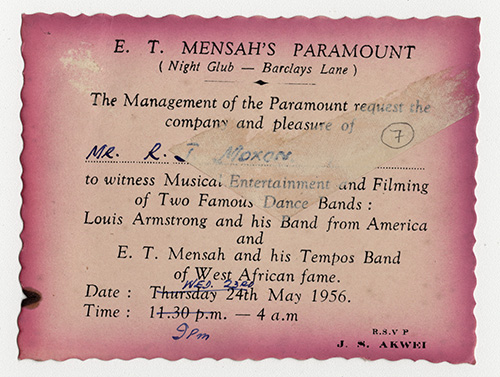
Highlife music and dance is a popular form of musical expression and storytelling known for its lively rhythms, lyrics and strong connection to everyday life. It features a mix of instruments, including guitars, horns, drums, xylophones and percussion. The music is often built around call-and-response singing, with the lead singer echoed by a chorus of backup singers, and is performed in many local languages, as well as in English and Pidgin. It is performed during weddings, funerals, festivals and naming ceremonies, often with lyrics that reflect current social issues such as health, education, relationships and social norms and challenges. There are three main styles of Highlife — Dance Band, Guitar Band and Burger. The band leaders coordinate the performances and shows, creating networks and supervising the training of new members. People of all genders and backgrounds can be leaders or performers. Highlife music and dance is transmitted through initiation and apprenticeship (including in bands) and within families. It is also passed on formally in universities. As a means of communication and a reflection of cultural identity, Highlife music encourages positive values and expression. It remains a vibrant part of community life, offering entertainment and education in a shared cultural space.
Domains
Details
- Country
- Ghana
- Inscribed
- 2025
- Register
- Representative List
- Reference
- 2141