



Peking opera
Practised In
Overview
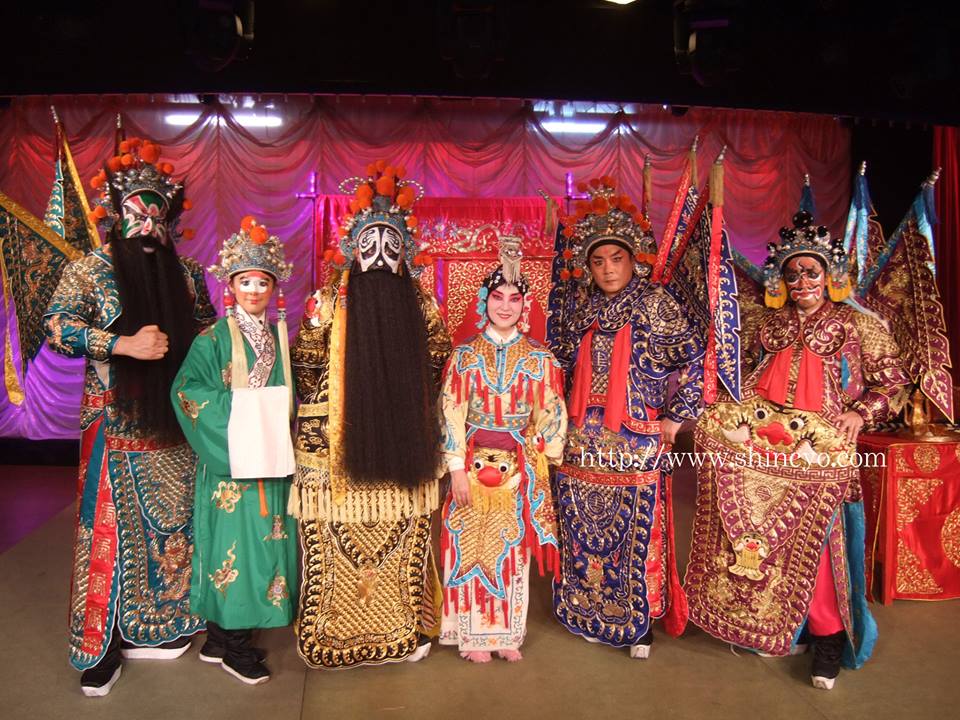
Peking opera is a performance art incorporating singing, reciting, acting, martial arts. Although widely practised throughout China, its performance centres on Beijing, Tianjin and Shanghai. Peking opera is sung and recited using primarily Beijing dialect, and its librettos are composed according to a strict set of rules that prize form and rhyme. They tell stories of history, politics, society and daily life and aspire to inform as they entertain. The music of Peking opera plays a key role in setting the pace of the show, creating a particular atmosphere, shaping the characters, and guiding the progress of the stories. 'Civilian plays' emphasize string and wind instruments such as the thin, high-pitched ''jinghu ''and the flute ''dizi, ''while 'military plays' feature percussion instruments like the ''bangu ''or ''daluo. ''Performance is characterized by a formulaic and symbolic style with actors and actresses following established choreography for movements of hands, eyes, torsos, and feet. Traditionally, stage settings and props are kept to a minimum. Costumes are flamboyant and the exaggerated facial make-up uses concise symbols, colours and patterns to portray characters’ personalities and social identities. Peking opera is transmitted largely through master-student training with trainees learning basic skills through oral instruction, observation and imitation. It is regarded as an expression of the aesthetic ideal of opera in traditional Chinese society and remains a widely recognized element of the country's cultural heritage.
About Peking opera
Peking opera, or Beijing opera, is the dominant form of Chinese opera, which combines instrumental music, vocal performance, mime, martial arts, dance and acrobatics. It arose in Beijing in the mid-Qing dynasty (1644–1912) and became fully developed and recognized by the mid-19th century. The form was extremely popular in the Qing court and has come to be regarded as one of the cultural treasures of China. Major performance troupes are based in Beijing, Tianjin and Shanghai. The art form is also preserved in Taiwan, where it is also known as Guójù. It has also spread to other regions such as the United States and Japan.
Read more on WikipediaDomains
Details
- Country
- China
- Inscribed
- 2010
- Register
- Representative List
- Reference
- 418