


Mediterranean diet
Practised In
Overview
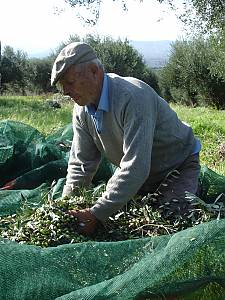
The Mediterranean diet involves a set of skills, knowledge, rituals, symbols and traditions concerning crops, harvesting, fishing, animal husbandry, conservation, processing, cooking, and particularly the sharing and consumption of food. Eating together is the foundation of the cultural identity and continuity of communities throughout the Mediterranean basin. It is a moment of social exchange and communication, an affirmation and renewal of family, group or community identity. The Mediterranean diet emphasizes values of hospitality, neighbourliness, intercultural dialogue and creativity, and a way of life guided by respect for diversity. It plays a vital role in cultural spaces, festivals and celebrations, bringing together people of all ages, conditions and social classes. It includes the craftsmanship and production of traditional receptacles for the transport, preservation and consumption of food, including ceramic plates and glasses. Women play an important role in transmitting knowledge of the Mediterranean diet: they safeguard its techniques, respect seasonal rhythms and festive events, and transmit the values of the element to new generations. Markets also play a key role as spaces for cultivating and transmitting the Mediterranean diet during the daily practice of exchange, agreement and mutual respect.
About Mediterranean diet
The Mediterranean diet is a concept first proposed in 1975 by American biologist Ancel Keys and chemist Margaret Keys. It is inspired by the eating habits and traditional foods of Greece, Italy, the Mediterranean coasts of France and Spain, as well as the Levant as observed in the late 1950s to early 1960s. The diet is distinct from Mediterranean cuisine, which encompasses the diverse culinary traditions of Mediterranean countries, and from the Atlantic diet of northwestern Spain and Portugal, albeit with some shared characteristics. The Mediterranean diet is the most well-known and researched dietary pattern in the world.
Read more on WikipediaDomains
Details
- Countries
- CyprusCroatiaSpainGreeceItalyMoroccoPortugal
- Inscribed
- 2013
- Register
- Representative List
- Reference
- 884